Meat additives: what each one does
Here you'll find phosphates for water binding, MSG for flavor, binders for doner, qofte and burgers, meat protein for texture and salami culture, along with flavorings and working materials. Below the products we explain what each one does and how it's labeled; you'll find them grouped by product in meat processing.
Showing 9 of 11 products
Showing 9 of 11 products
Function and labeling
On the label of the final product, additives are listed with their functional category and their name or E number. The examples below follow the EU rules on consumer information.
| Product | What it does | What to keep in mind |
|---|---|---|
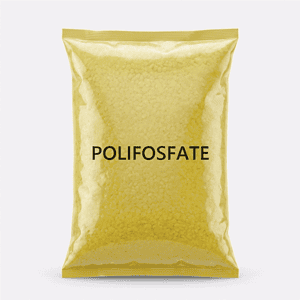
| Polyphosphates | Keep water in the meat, improve texture and reduce cooking losses | On the label: the functional category plus E 450 (diphosphates), E 451 (triphosphates) or E 452 (polyphosphates), e.g. “stabilizer: diphosphates (E 450)” |
| Glutamate | Flavor enhancer that boosts flavor intensity | For monosodium glutamate, on the label: “flavor enhancer: monosodium glutamate” or “flavor enhancer: E 621” |
| Meat binder | Improves binding in doner, qofte, burgers and gyro; cleaner slicing and less loss during cooking | Read the composition: for allergens such as soy, milk or gluten, and for phosphates |
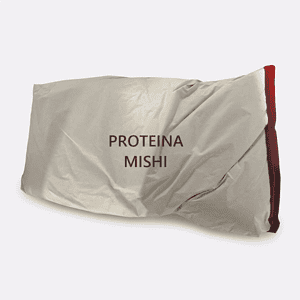
| Meat protein | Texture and binding | The protein source decides whether there's an allergen to declare |
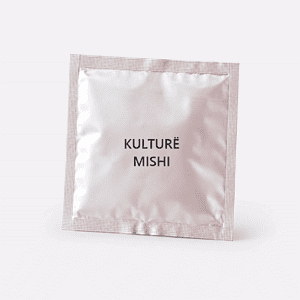
| Meat culture | Controlled fermentation of salami and dried meat | Needs fermentable sugar, usually glucose, in the recipe |
| Meat flavoring | Concentrated meat flavor, in powder or liquid | Labeled as “flavoring”; the word “natural” is only allowed under strict conditions |
| Smoke flavoring | Smoky flavor for meat products | Labeled as “smoke flavoring”, and the label must not suggest the product was smoked the traditional way |
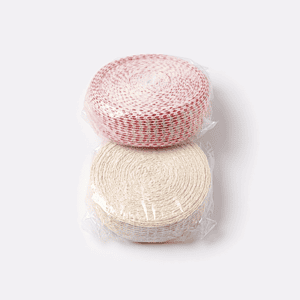
Legally, flavorings are not additives: in the EU they have their own regulations, 1334/2008 for flavorings and 2065/2003 for smoke flavorings. Netting, patty paper and skewers are food-contact materials, and the basic rule for them is that they must not pass substances to food in amounts that endanger health or change its composition, taste or smell.
Tell us what meat product you make and which additives you use now, and we'll send you a quote. Call us at +355 69 202 6314 or write to us via Contact.
Short answers about meat additives. For anything else, contact us.
They open up the structure of meat proteins so they hold more water. That way the meat loses less juice during cooking and smoking and has a better texture. You'll find phosphates among the products above.
It depends on the composition of the phosphate blend and on what you produce. Follow the manufacturer's dose and the legal limit for your product category.
With the functional category and the name or E number, e.g. “stabilizer: diphosphates (E 450)” or “flavor enhancer: E 621”. If the binder or protein contains allergens, such as soy or milk, they're emphasized in the ingredients list.



A trusted name in Albania's food industry since 1993, offering quality, innovation and reliable solutions for steady business growth.