Rennet, yogurt cultures and dairy processing aids
For dairies and cheese workshops we have natural calf rennet, microbial rennet for coagulation, cultures for yogurt and cheese, calcium chloride, proteins, cheesecloth and milk testing equipment. Below the products we explain where each one fits in the process and why milk sometimes doesn't set.
Shfaqen 22 nga 22 produkte
Shfaqen 22 nga 22 produkte
Guide for dairies
Dairies use two ingredients that often get mixed up: one sets the milk, the other ferments it. Once you know which one you have, many problems in the vat become easier to understand.
In Albanian, “maja” is used for both, and that's where the confusion starts. Cheese “maja”, also called rennet (farë djathi or mullëz), is an enzyme: it sets the milk, usually in about half an hour, but doesn't ferment it. Yogurt “maja” is a culture: live lactic bacteria that turn the milk sugar (lactose) into lactic acid and thicken the milk within a few hours. Most cheeses use both, the culture for fermentation and the rennet for setting, while yogurt needs only the culture. You'll find them here as natural calf rennet and as yogurt culture.
This is the usual order for cheese. Temperatures are typical values and vary by recipe.
| Step | What happens | What you use |
|---|---|---|
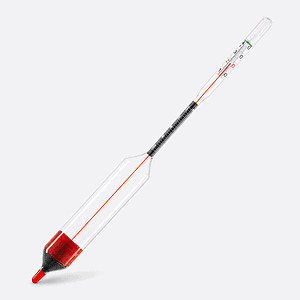
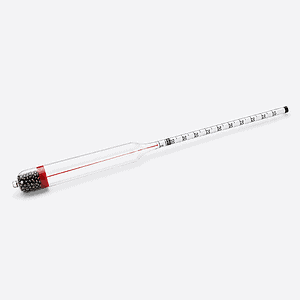
| Milk intake | Antibiotic residues, density and temperature are checked | Antibiotic test, lactodensimeter, thermometer (in Equipment) |
| Pasteurization | Usually 72 °C for 15 seconds, or 63 °C for 30 minutes in the vat, then cooling to working temperature | Digital Thermometer |
| Before coagulation | When the milk needs it, calcium chloride dissolved in water is added | Calcium chloride |
| Fermentation | The culture that suits the cheese or yogurt you make is added | Cheese and yogurt cultures |
| Coagulation | Rennet is added, usually when the milk is at about 31–33 °C | Animal rennet or microbial rennet |
| Cutting and draining | The curd is cut and the whey is drained | Cheesecloth |
| Salting | The cheese goes into brine, and the salt level of the brine is measured regularly | Brine tester |
Pasteurized milk, or milk that has been kept cold for a long time, sets more slowly and gives a softer curd. Calcium chloride adds calcium ions to the milk, which help the rennet work, and lowers the pH slightly, so the curd sets firmer. Dissolve it in water and add it to the vat before the rennet. Not every milk needs it: too much makes the curd so firm it's hard to cut, and the excess ends up in the whey. The amount depends on the product's concentration, because liquid and powdered calcium chloride aren't dosed the same way.
For food formulations we have whey/milk protein, soy protein, isolated soy protein for plant-based products, and lupin flour. Use them when you want better texture or more protein in your product. Mind the label: milk, soy and lupin are among the allergens that must be emphasized in the ingredients list in the EU.
Tell us what cheese or yogurt you make and how much milk you process, and we'll tell you which products suit you. Call us at +355 69 202 6314 or write to us via Contact.
Short answers about dairy. For anything else, contact us.
It's the enzyme that sets the milk and separates it into curd and whey. Our rennet is natural, made from calf rennet. If you need a coagulant of non-animal origin, we also have microbial rennet for cheese.
It depends on the strength of the product, not just the amount of milk. Coagulant strength is usually given in IMCU or as a ratio, e.g. 1:10,000, and powdered rennet is much stronger than liquid. Follow the manufacturer's dose for that product and dilute the rennet in chlorine-free water before adding it.
When the milk is pasteurized, has been kept cold for a long time or sets poorly. Dissolve it in water and add it before the rennet. Don't add it if it isn't needed, because too much makes the curd too firm to cut.
Check two things first: whether the milk has antibiotic residues, which inhibit the culture bacteria, and the fermentation temperature, which for yogurt is usually about 42–43 °C. Also check whether the culture was stored as the pack instructs. You'll find yogurt culture among the products above.



A trusted name in Albania's food industry since 1993, offering quality, innovation and reliable solutions for steady business growth.