


Processing aids and equipment for food processors
From raw material to finished product, with more control and consistency
SHIMANI GROUP provides food processing aids and technical support to optimize production processes. Our preservatives, flavor enhancers, emulsifiers and other solutions help maintain the quality, stability and consistency of the final product.
The challenges food processors face
Product Stability
Changes in formulation or raw material quality can affect product texture and stability.
Limited Shelf Life
Keeping the product fresh and safe takes the right ingredients and accurate dosing.
Cost Control
Inefficient use of processing aids can raise costs and cause losses during production.
Process Efficiency
Processes that aren't optimized can slow production and affect final product quality.
Compliance Requirements
Ingredients and processes must meet food safety standards and labeling requirements.
Flavor Consistency
Differences between production batches can affect flavor and the consumer's experience.
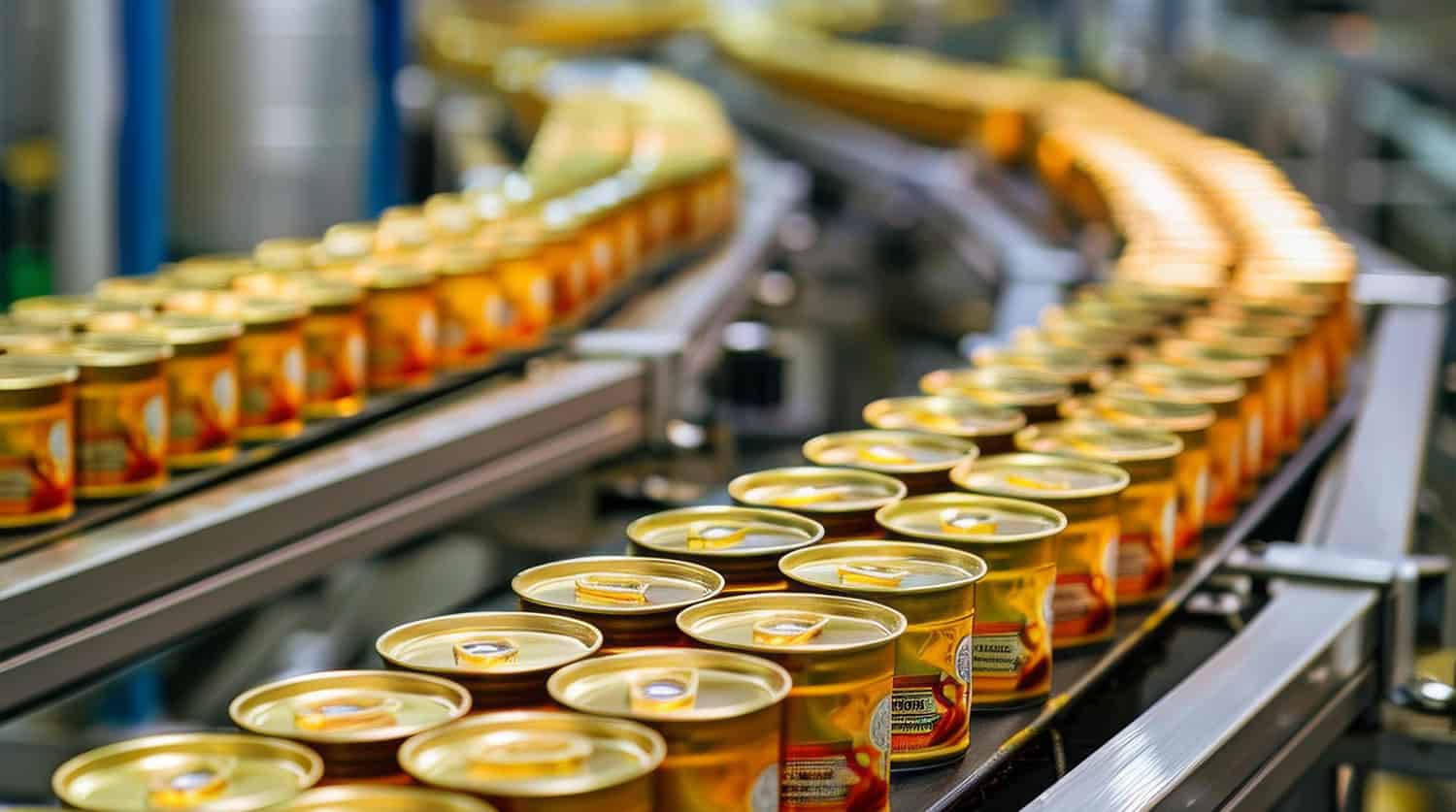
Improve Product Stability and Shelf Life
We offer preservatives, emulsifiers and other processing aids selected for your product's characteristics. They help keep freshness, texture and safety throughout the shelf life.
Keep Flavor Consistent in Every Production Batch
Our flavor enhancers and blends help standardize your product profile. We advise you on choosing and using them so every batch keeps the same quality.
For dairies we have cultures for yogurt and cheese and calf rennet.

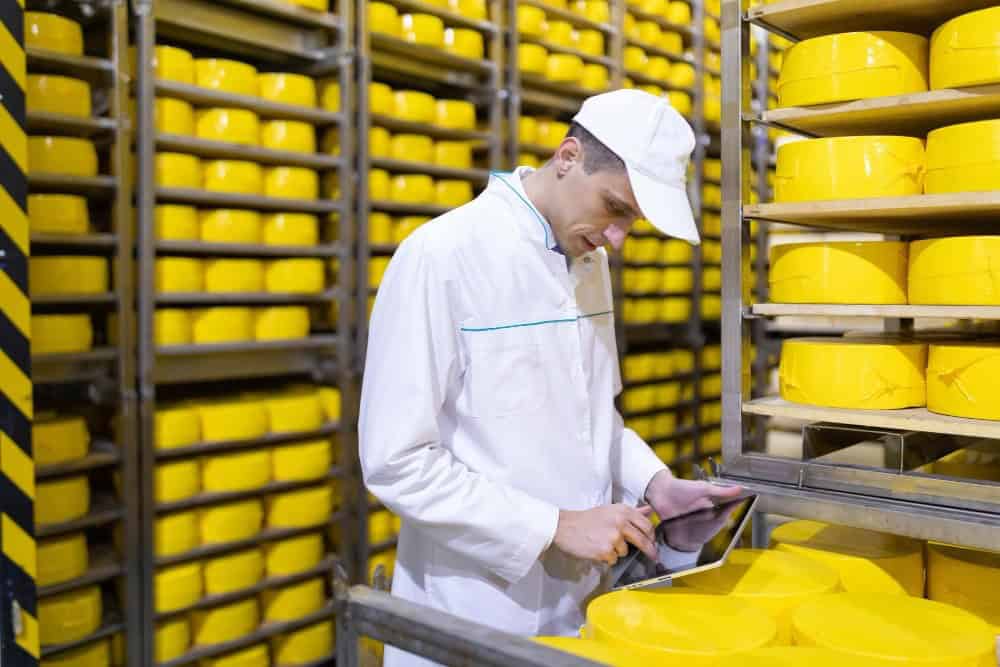
Optimize Formulas and Dosing
Our technical support helps you set the right ingredients and quantities for your product. This cuts losses, controls costs and improves formulation performance.
For doner, qofte and salami, see meat processing ingredients.
Improve Production Process Efficiency
We analyze your process needs and recommend practical solutions to increase productivity, consistency and compliance with industry standards.
Before milk goes into the vat, see milk testing equipment.

Explore the Options
Want to transform your business operations with modern solutions?
Partner with Shimani Group for innovation and sustainable growth.
Questions from dairies and meat processors
For dairies and meat processors, from milk intake to the salami that comes out of ripening.
Before pouring it into the vat, run the antibiotic residue test, measure density with a lactodensimeter and temperature with a thermometer. Check each farmer's milk separately, before it's mixed with the rest, because one can with antibiotics can spoil the whole vat. Antibiotic testing is also a legal obligation for processors.
Rennet (cheese “maja”) is an enzyme: it sets the milk but doesn't ferment it. Yogurt culture is live lactic bacteria that turn lactose into lactic acid; most cheeses use both, while yogurt needs only the culture.
Measure the salt concentration regularly with a brine tester. Brine loses salt over time because the cheese absorbs it, so if you don't measure it, the saltiness changes from one batch to the next.
Phosphates help meat proteins hold more water, so losses during cooking and smoking go down. Follow the manufacturer's dose and the legal limit for your product category, and list them on the label.
In casings, which we have in calibers 30, 35, 40 and 50, 300 m or 1,500 m long depending on the model. During ripening or cooking, elastic meat netting keeps the product in shape.
Yes, with smoke flavoring, which adds a smoky taste to any meat product. Under EU consumer information rules, the label says “smoke flavoring”, and it must not suggest the product was smoked the traditional way.
Industrial Solutions for Food Packaging and Processing